
 Emergency
 Ambulance






Typhoid Recovery Diet: What to Eat, What to Avoid, and How to Heal Safely
Typhoid fever is a serious bacterial infection caused by Salmonella typhi, usually spread through contaminated water or food. While antibiotics kill the bacteria, your digestive system takes a heavy hit. The infection causes swelling and tiny, delicate sores (ulcers) along the inner lining of your gut.
Eating rough, oily, or spicy foods acts like sandpaper on those healing sores, which can trigger severe stomach pain or even intestinal bleeding. A gentle, stage-by-stage Indian recovery diet gives your stomach the rest it needs while restoring lost strength, fluids, and healthy gut bacteria.
The 3-Stage Typhoid Recovery Diet
Stage 1: Days 1 to 3 (Peak Fever Phase)
During the first few days, fever is high, appetite is low, and your digestion is extremely weak. Nausea, vomiting, and diarrhea are common.
- Main Goal: Rest your intestines completely and prevent dehydration.
- Best Liquids to Drink: Tender coconut water, ORS (oral rehydration solution), thin barley water, rice kanji (strained rice water), and clear vegetable or moong dal broth.
- Strictly Avoid: Solid meals, whole dairy milk (causes gas and cramps), and thick juices with pulp.
Stage 2: Days 4 to 7 (Fever Subsiding Phase)
As your temperature drops, your appetite begins to return, but your gut wall is still thin and delicate.
- Main Goal: Provide light, easy-to-absorb energy without irritating the stomach.
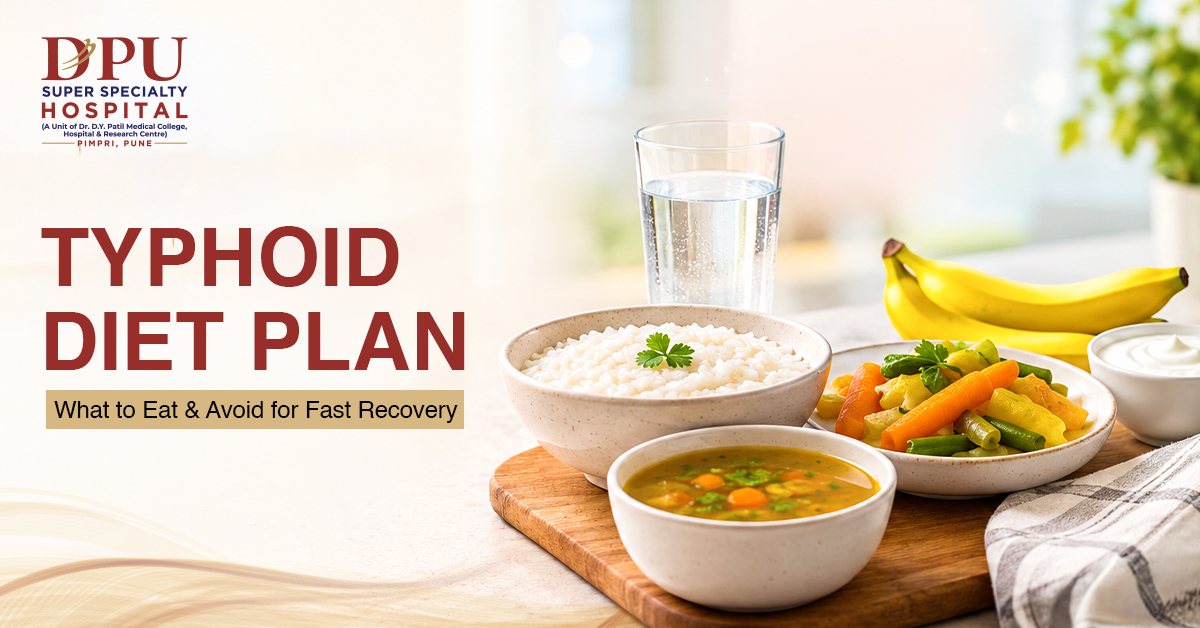
- Best Foods to Eat: Well-cooked, mushy moong dal khichdi, plain room-temperature curd rice, boiled mashed potatoes, peeled stewed apples, and mashed ripe bananas. Double-strained fruit juices without pulp are also safe.
- Strictly Avoid: Raw salads, fried items, whole grains, and heavy spices or oily tadka.
Stage 3: Week 2 Onward (Rebuilding Strength)
Your fever is gone, but your body is battling severe weakness. The gut sores are healing, and you need mild protein to rebuild muscle tissue.
- Main Goal: Rebuild energy, repair muscle tissue, and restore digestive flora.
- Best Foods to Eat: Fresh homemade paneer, soft boiled egg whites, smooth daliya (broken wheat porridge), and light gourds like cooked lauki (bottle gourd) or tori (ridge gourd).
- Strictly Avoid: Millets, brown rice, tough red meats, spicy curries, street food, and whole nuts.
5 Simple Rules to Speed Up Recovery
- Drink only boiled and cooled water: Drink 3 to 4 liters of clean fluids every day to replace what is lost through sweating and loose stools, ensuring water is thoroughly boiled to avoid reinfection.
- Pick low-fiber, gentle carbs: Foods like white rice, semolina, and potatoes digest effortlessly and supply quick calories without straining swollen intestines.
- Eat soft, clean proteins: Rely on easy proteins such as fresh curd, thin buttermilk (chaas), soft paneer, and boiled egg whites rather than tough meats.
- Cut out all gut irritants: Avoid raw salads, chili powder, garam masala, and deep-fried snacks until your doctor confirms complete healing.
- Eat small meals frequently: Do not force three heavy meals; eat 5 to 6 small, nourishing portions across the day to prevent acidity and nausea.
Daily Hygiene: Stop the Spread at Home
- Wash your hands thoroughly with soap and clean water before eating and after using the bathroom.
- Eat only freshly prepared, warm meals; never eat leftovers or food left open at room temperature.
- Keep your plates, spoons, and water glasses separate from other family members.
- Get strict bed rest, as exerting yourself too early can trigger a typhoid relapse.
Frequently Asked Questions
Can I eat curd during typhoid?
Yes. Fresh homemade curd and thin buttermilk are rich in natural probiotics, which help restore the good gut bacteria destroyed by strong antibiotics. Make sure it is served fresh at room temperature, not chilled straight from the fridge.
Why are high-fiber foods bad during typhoid recovery?
Typhoid bacteria cause swelling and small ulcers in the gut wall. High-fiber foods—like raw salads, cabbage, seeds, and unpolished grains—act like a harsh scrub brush across these sores, increasing the danger of gut pain, bleeding, or intestinal tears.
What fruits can I safely eat?
Stick to soft, low-acid fruits such as ripe mashed bananas, peeled stewed apples, and soft chikoo. Avoid sour or citrus fruits like oranges and pineapples, as well as fruits with edible seeds or thick skin.
Can I eat chicken or eggs?
Avoid oily chicken curries, fried fish, and mutton. However, light protein like boiled egg whites or clear, strained chicken broth can be introduced during the later stages of recovery.
How long should I stay on this soft diet?
Continue following a bland, soft diet for at least 1 to 2 weeks after your fever has completely disappeared to allow the gut lining to heal fully.
Need expert, personalized recovery guidance? Consult the Department of Clinical Nutrition & Dietetics and Department of General Medicine at DPU Super Specialty Hospital, Pimpri, Pune.